
 By
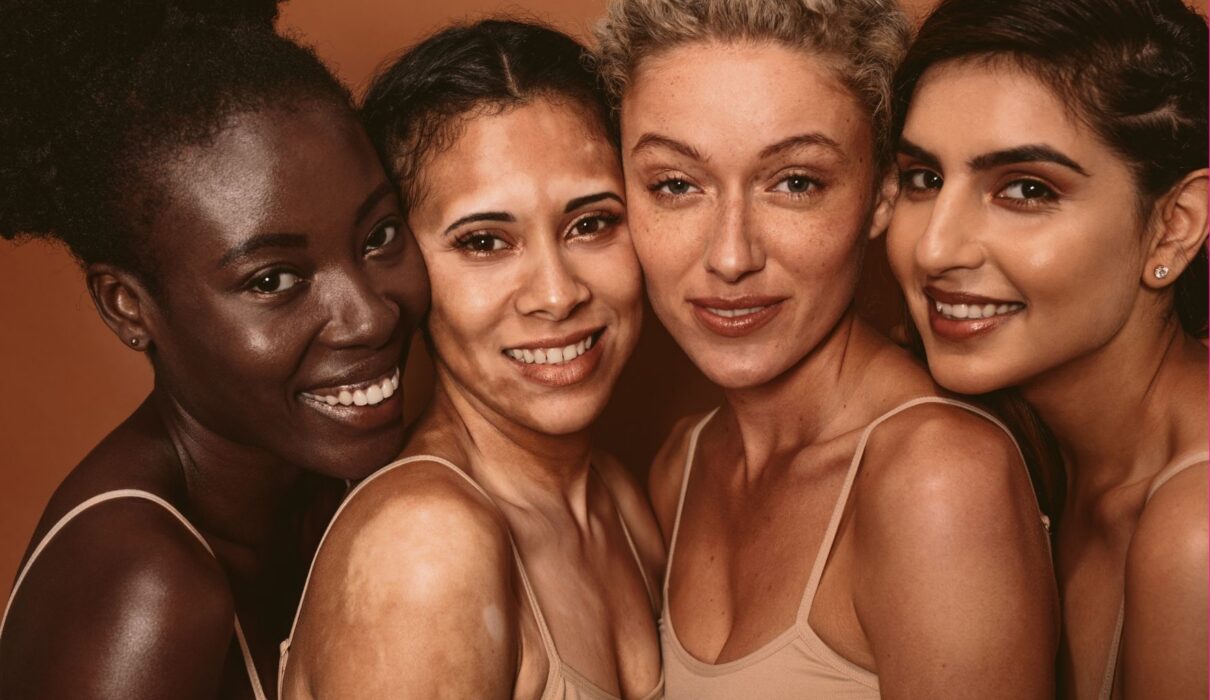
By Heritage Month gives South Africans an opportunity to celebrate the diversity that shapes who we are, from our cultures and traditions to the languages we speak. Yet that diversity is also visible in something we see every day: the extraordinary spectrum of South African skin.
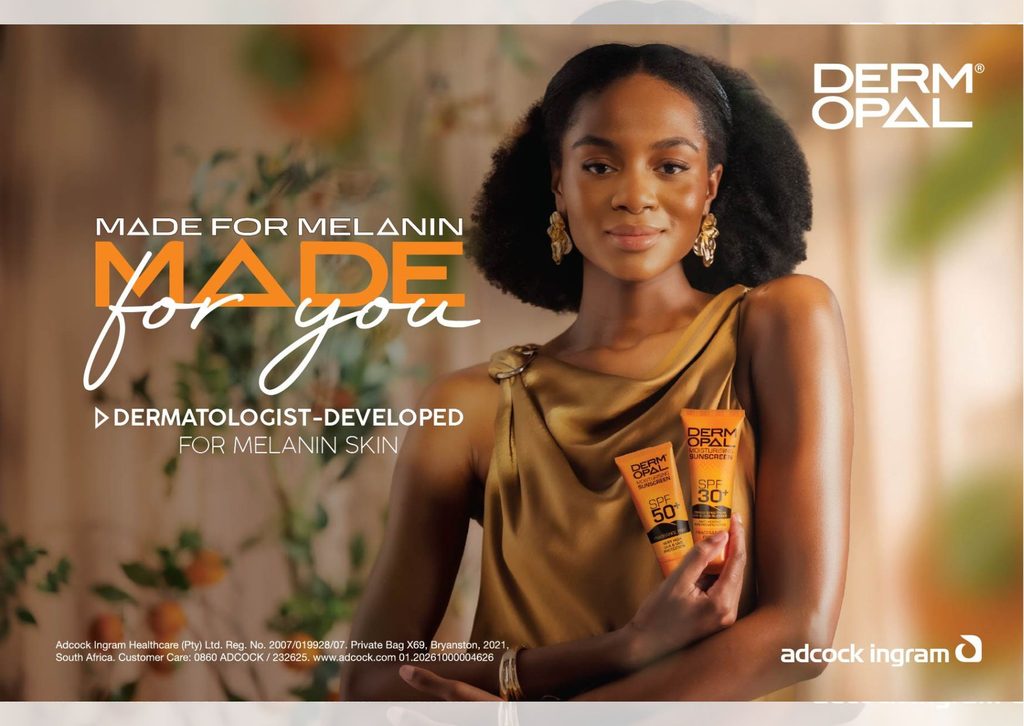
For Dr Leslie Nteta, dermatologist and creator of Dermopal®, this is an important part of the conversation because skincare advice has not always reflected the people using it.
“South Africans have an incredible range of skin tones, yet for a long time many people with skin of colour have had to navigate skincare advice that did not necessarily speak to their own concerns or experiences,” says Dr Nteta. “If we want people to make informed decisions about their skin, the information we give them needs to reflect that diversity.”
Melanin is an obvious place to start, although it is often misunderstood as simply the pigment that makes skin darker. In reality, melanin is present across the spectrum of human skin tones and has antioxidant and photoprotective properties. The amount and type of eumelanin in the epidermis help determine complexion and sensitivity to ultraviolet radiation.
The term “melanin-rich” can often be confusing. Every skin tone contains melanin, expressed in different forms and amounts, and understanding that spectrum gives us a more inclusive way to talk about skin.
The biology also helps explain some familiar skincare frustrations. In darker skin tones, melanocytes can be particularly reactive to inflammation or injury, producing excess melanin after something as common as acne or dermatitis. The original breakout may disappear, but the dark mark it leaves behind can remain for considerably longer.
For someone who has spent months trying to fade those marks, knowing why they happen can change the way they approach their skin. Rather than simply reaching for the latest trending product, they can look for care that takes pigmentation and the way their own skin responds into account.
This is where representation in skincare becomes more meaningful than seeing different complexions in advertising. It also means recognising that people’s skin concerns can differ and ensuring they have access to relevant information and appropriate formulations.
That information becomes particularly valuable when consumers are surrounded by skincare advice online. A routine that works beautifully for one person’s complexion may not address another person’s concerns, while a viral ingredient cannot take into account an individual’s skin history or response to inflammation. Giving consumers context about why their skin behaves in a particular way can help them make sense of the enormous amount of advice they encounter every day.
There is also an opportunity to broaden the language we use around skin. When certain complexions are treated as the default, everyone outside that narrow definition is left to
work out where they fit. South Africa’s diversity gives us every reason to move beyond that approach and recognise a spectrum of skin with different experiences and needs.
It is an idea that has shaped Dr Nteta’s own work, including the development of Dermopal®, a proudly South African skincare range created with skin of colour in mind. But he believes the conversation needs to reach well beyond any one product or range.
“When people understand their skin, they can make choices based on what it actually needs rather than what they have been told it should look like,” he says. “That is why education and representation in skincare need to go together.”
Heritage Month celebrates the many histories and identities that make South Africa what it is. Perhaps our understanding of skin deserves the same breadth, recognising the many shades around us and making sure that the skincare conversation has room for all of them.